
In 2025, Spotify paid Nigerian artists more than $43.8 million in royalties, a 15% increase from the previous year. South African artists earned another $26 million from the platform during the same period. Combined, that is nearly $70 million from a single DSP, in a single year, flowing to artists from just two African countries.
That tells you something important. The streaming economy is no longer “the future.” It is already here, and African artists are becoming a major part of it.
But here is the uncomfortable truth. A lot of creators are still making music without fully understanding how the money flows. Their songs are streaming globally, fans are discovering their records across borders, the numbers are growing, yet many still do not understand the business behind it all. This is exactly why Afro Soundtrack exists: to help African music creators properly manage their music rights, understand their royalties, and access the money their music generates across streaming platforms globally.
DSPs changed everything. They opened global doors, created new income streams, and made music distribution more accessible than ever. But accessibility is not the same as accessibility to your money.
So before your next release, there are a few things you need to know.
What Is a DSP?
DSP stands for Digital Streaming Platform. In simple terms, it is any platform that delivers your music to listeners online, either through streaming or downloads.
Think of a DSP as your digital stage, record store, and radio station all in one.
Instead of selling CDs or pressing vinyl, your music lives on platforms like Spotify, Apple Music, Audiomack, Boomplay, or YouTube Music. Fans can stream your songs through subscriptions, free ad-supported accounts, or downloads.
The Main Types of DSPs
(i) Interactive DSPs (on-demand streaming)
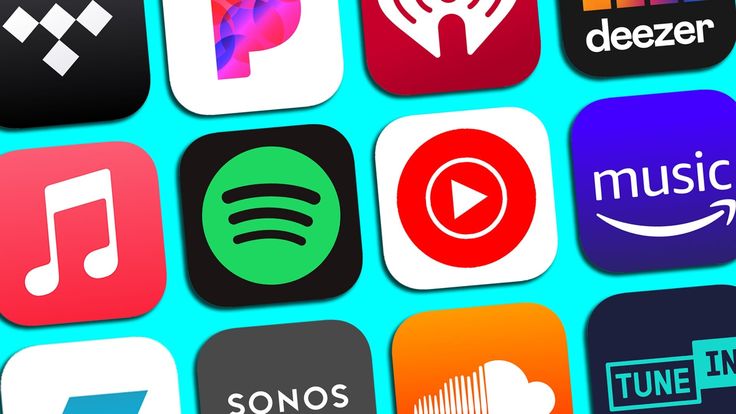
These are platforms like Spotify, Apple Music, Tidal, Amazon Music, Boomplay, Audiomack, and Deezer, where listeners can choose exactly what they want to hear. Users can search your song, replay it, save it to playlists, and stream it on demand. Because listeners are actively choosing your music, these platforms generate the bulk of streaming income for most African artists.
(ii) Non-interactive DSPs (programmed radio)
These are platforms like Pandora and iHeartRadio, which work more like digital radio stations. Listeners cannot freely choose every song or skip endlessly. The platform controls the listening experience through programmed playlists or radio-style streams. These services are less dominant in Africa, but they still generate royalties when your music is played.
(iii) Video streaming platforms
YouTube and YouTube Music sit in a category of their own. YouTube Art Tracks (the audio-only versions of your songs uploaded via a distributor) generate recording royalties on the master side. YouTube’s Content ID system also generates a separate stream of income when your music appears in other people’s videos. This makes YouTube particularly important for African artists because music on the continent spreads heavily through dance videos, skits, reactions, trends, and other user-generated content. Sometimes, your song can travel far beyond the official upload itself.
The DSP Landscape in Africa
The global streaming market may be dominated by a few major players, but Africa has its own unique streaming ecosystem. International platforms and African-first DSPs now exist side by side, each serving different audiences and creating different opportunities for African music creators.
International DSPs With Strong African Presence
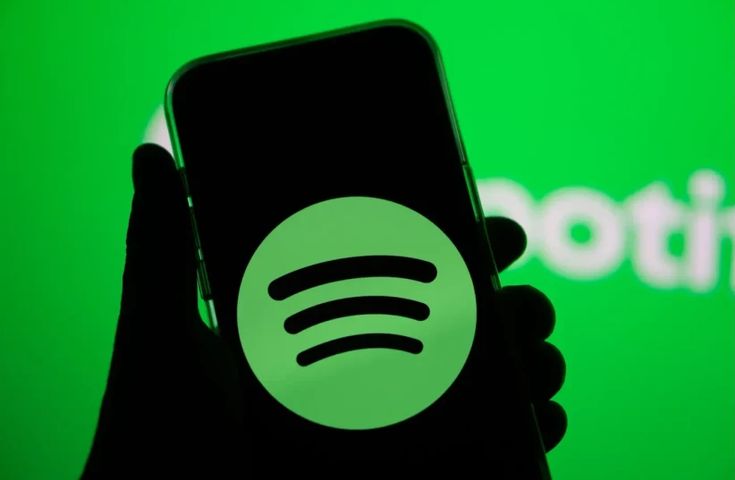
- Spotify
Spotify remains the world’s biggest streaming platform and has expanded aggressively across Africa in recent years. Spotify operates on a freemium model, meaning some listeners pay subscriptions while others use the free ad-supported version. Both generate royalties, although premium streams typically pay more.
- Apple Music
Apple Music runs on a subscription-only model with no free tier. Because every listener is a paying user, the platform generally pays higher royalties per stream than most major DSPs.
- YouTube Music
YouTube is still one of the most important platforms for African music consumption. Fans discover songs through music videos, dance clips, reaction content, DJ mixes, skits, and trends long before they search for the official release elsewhere. At this point, it is safe to say YouTube is part of the culture engine driving music discovery across Africa.
That influence also translates into revenue. Internal data from Afro Soundtrack in 2025 shows YouTube among the top three royalty contributors for African music creators, driven largely by strong fan engagement and ad-supported consumption.
- Amazon Music and Tidal
These platforms have smaller African audiences, but they often pay higher royalties per stream. If your listeners are based in the US, UK, Canada, or Europe, even moderate streaming numbers on these DSPs can generate meaningful revenue.
- Deezer
Deezer maintains a presence in markets like Nigeria, Kenya, and South Africa . In 2023, it introduced an Artist Centric Payment System (ACPS) that prioritises royalties for professional artists with at least 1,000 monthly streams and 500 unique listeners, which is a positive structural change for established African artists on the platform.
Africa-first DSPs
- Boomplay
Boomplay became one of Africa’s biggest streaming platforms by focusing heavily on African music and African listeners. Its catalog is deeply local, and a large percentage of streams come directly from African audiences consuming African music.
- Audiomack
Audiomack has become one of the biggest discovery platforms in Nigeria, Ghana, and Kenya. A lot of songs build their first real momentum there through DJ reposts, playlists, blogs, and fan sharing before eventually crossing over to larger global DSPs. The platform monetises through its AMP (Audiomack Monetisation Program), which pays artists a share of advertising revenue. While its payouts are generally lower than premium subscription platforms, its cultural influence and reach within African youth audiences are massive. Internal Afro Soundtrack data from 2025 also shows Audiomack delivering meaningful and steadily growing royalty income for African Music creators.
- Mdundo
Mdundo is a Kenyan-founded DSP focused heavily on East African audiences, with more than 36 million monthly active users. The platform operates on a performance-based revenue model, splitting 50% of its total revenue with artists based on their share of downloads. In 2025, Mdundo projected royalty payouts of between $1.1 million and $1.3 million to artists on the platform. For African music creators creating outside mainstream commercial genres, platforms like Mdundo can become surprisingly powerful audience-building tools.
How DSPs Royalty Actually Work
A lot of artists hear phrases like “pay per stream” and assume every stream has a fixed value. It does not work that way. DSPs use what is called a revenue pool model. Here’s what it means: platforms like Spotify or Apple Music collect money from subscriptions and advertising, remove their operating costs, then place the remaining money into a royalty pool. That pool is then shared across rights holders based on each song’s share of total streams within a specific country and time period.
What this means for you is simple:
- Your stream value is never fixed
- Premium subscriber streams usually pay more than free-tier streams
- Streams from countries like the US or UK usually generate more revenue than streams from Nigeria, Kenya, or Ghana because subscription prices and advertising rates are higher there
So yes, where your listeners are located actually affects how much you earn.
Every Music Stream Generates Two Royalties
This is where many African music creators unknowingly lose money. Every stream on an interactive DSP generates two separate royalties, not one.
1. Master Royalties
These royalties belong to the owner of the sound recording, usually the artist or record label. Your distributor collects this money from DSPs and pays it to you. This is the royalty most artists already know about.
2. Publishing Royalties
These royalties belong to the songwriter and composer, meaning the lyrics and composition behind the song. Publishing royalties move through an entirely different system involving publishers, publishing administrators, mechanical rights organisations, and PROs.
And here’s the problem; if you are not properly registered with a publisher or publishing administrator, this money can remain uncollected. That means your music could be generating streams globally while part of your royalties never reaches you.
At Afro Soundtrack, we administer publishing royalties for African creators across more than 150 countries to help ensure no income is left behind.
How To Get Your Music on DSPs as an African Music Creator
You cannot directly upload music to most major DSPs like Spotify or Apple Music yourself. To get your music on these platforms, you need a music distributor. A music distributor acts as the bridge between you and the DSPs. They deliver your music to platforms, handle the technical requirements, and collect your master royalties on your behalf.
The role of a music distributor
A music distributor is the bridge between you and DSPs like Spotify, Apple Music, Audiomack, and others. They take your music files, metadata, and cover art, format them correctly, and deliver them to each platform. They also make sure your release meets each DSP’s technical requirements.
Most importantly, they collect your master royalties and pay them out to you.
Distributors usually charge in one of three ways:
- an annual subscription fee
- a one-time fee per release
- or a percentage of the royalties they collect
What to Look Out For When Choosing a Distributor as An African Music Creator
Not all distributors are built the same, and for African music Creators, the differences matter.
1. Platform Coverage
Your distributor should deliver your music to all major global DSPs, but also to Africa-first platforms like Boomplay, Audiomack, and Mdundo. If your distributor ignores these platforms, you are automatically limiting your reach and income.
2. Royalty Payments, Speed, and Transparency
Pay attention to how and when you get paid. Some distributors pay monthly, others pay quarterly. Some have high payout thresholds that delay access to your earnings.
But beyond timing, royalty transparency is critical. You should be able to clearly see where your streams came from, how much each DSP earned, and how your final payout was calculated. If you cannot trace your money, you cannot properly manage your career.
3. Publishing Administration
This is where most African music creators lose money without realising it. Distribution only covers master royalties. If your distributor does not also handle publishing administration, your songwriting royalties may not be collected at all. Look for distributors that offer publishing services alongside distribution, like Afro Soundtrack. These platforms help you collect both sides of your income, so you are not leaving songwriting royalties on the table.
TikTok is the New DSP You Cannot Afford to Ignore as an African Music Creator
TikTok is not a traditional streaming platform, but in practice, it is one of the most powerful music discovery and monetisation engines for African music creators.
When your music is used in a TikTok video, it can generate revenue in two ways:
- a sync-adjacent master royalty paid to the owner of the sound recording
- publishing royalties paid through licensed collecting societies for the composition
In other words, your song is not just being “used for content.” but also being monetised in real time across millions of micro-uses.
For African music creators whose music travels through dance trends, challenges, skits, and viral content, this has become a fast-growing revenue stream. But it only works properly when your music is correctly registered and tracked across both master and publishing systems.
Afro Soundtrack: An All-in-One Monetisation Platform for African Music Creators
Afro Soundtrack is a music rights and monetisation platform built specifically for African music creators. Our goal is simple: help African artists, producers, songwriters, and rights holders capture every layer of revenue their music generates, not just a fraction of it.
Most African artists only monetise one side of the music royalty system. Afro Soundtrack works across the full music rights value chain, including music publishing administration, sync licensing, and rights management.
On the publishing side, we register musical compositions with performing rights organisations (PROs), collection societies, and mechanical licensing agencies across more than 150 countries. This helps ensure that royalties generated from Spotify streams, Apple Music streams, YouTube usage, TikTok usage, downloads, public performances, and sync placements are properly tracked, collected, and paid to rights holders.
Our internal 2025 data shows that Spotify and Apple Music remain the largest publishing royalty sources for our clients, while YouTube and TikTok continue to grow rapidly as major digital music revenue platforms for African music creators.
On the licensing side, we provide sync licensing services that connect African music to opportunities in film, television, advertising, gaming, branded campaigns, documentaries, and digital content productions across Africa and international markets.
We do not operate as a traditional music distributor. Our focus goes beyond basic distribution by helping African artists maximise the monetisation potential of their music through music publishing administration, royalty collection, and sync licensing opportunities.
We also handle music royalty disputes, copyright claims management, rights verification, and catalogue protection to help ensure that royalties are accurately accounted for across streaming platforms, social media platforms, and digital music services.
We understand the administrative complexity and bureaucracy that often come with global royalty collection. Our role is to simplify the process so African music creators can focus on making music while their rights, royalties, and intellectual property are properly managed.
To learn more about our services, visit our website here.
To start monetising your music globally, sign up here.
Get the AfroSoundtrack app.