

If you’re a Nigerian instrumentalist or session musician, you’ve probably heard the same story a hundred times. You show up to the studio, lay down an incredible guitar riff or a soulful saxophone solo that makes the entire track come alive, collect your session fee, and then watch that song blow up on streaming platforms while your bank account stays exactly the same.
Sound familiar?
Here’s the truth that most session players don’t know: you might be leaving serious money on the table.
While the traditional model pays session musicians a one-time fee and sends them on their way, there’s a whole world of royalties that could be generating income for you every single time that song gets played, streamed, or performed.
And the best part? Once you set it up correctly, this money keeps flowing in without you lifting another finger.
Why Most Session Musicians and Instrumentalists Miss Out on Royalties
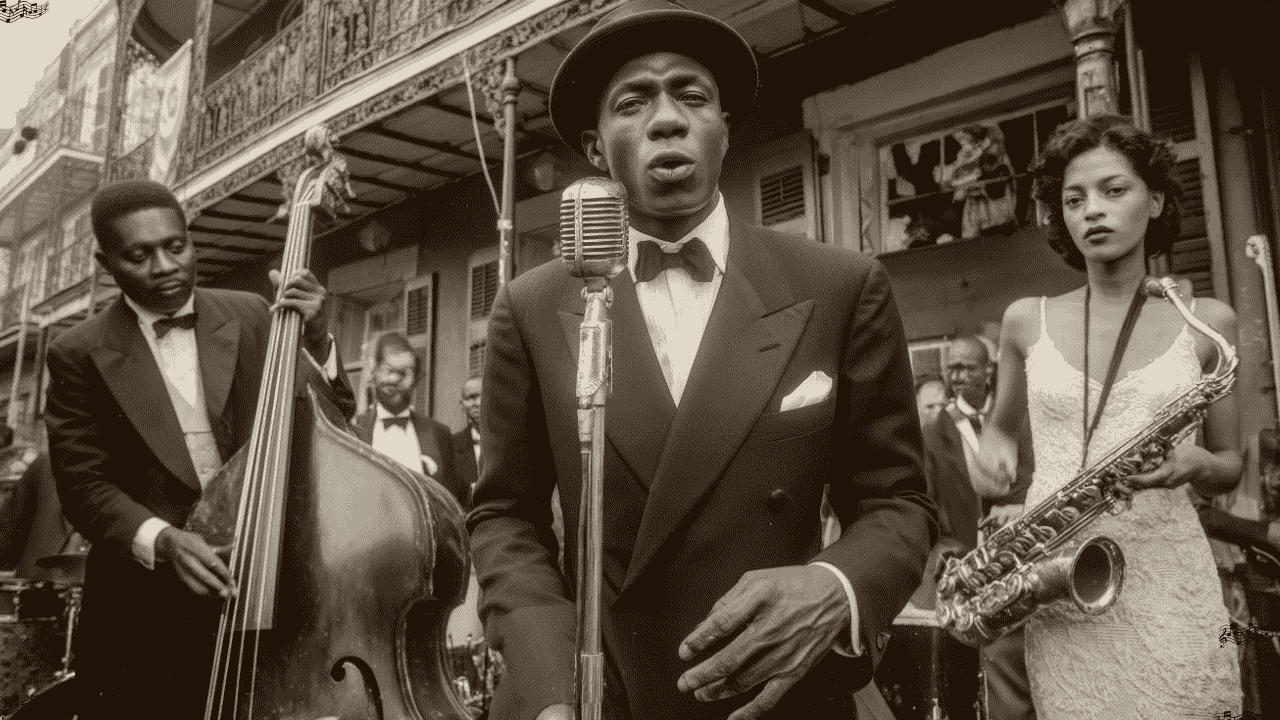
Let’s start with the uncomfortable truth. According to industry reports, session musicians typically work under “work for hire” agreements. This means you get paid once for your time, and that’s it.
Whether the song becomes a global hit or fades into obscurity, your compensation remains the same.
The Musicians’ Union confirms that session musicians traditionally do not receive royalties from sales or streaming unless it’s specifically negotiated beforehand. Instead, all that streaming revenue goes to the recording rights holder (usually the label or the independent artist).
In the past, legendary session groups like The Wrecking Crew played on hundreds of top 40 hits in the 1960s and 70s, yet most members never saw a penny in ongoing royalties.
But here’s where things get interesting. The music industry has changed, and there are now multiple revenue streams that session musicians can tap into if they know how the system works.
Common Myths About Instrumentalists and Session Musician Royalties
Many session musicians believe royalties are only for lead artists or producers. This is incorrect.
Royalties follow rights, not popularity.
If your contribution creates or participates in a protected right under copyright or neighbouring rights law, you may be entitled to royalties. This depends on what you contributed, how it was agreed, and whether it was properly documented.
Session musicians can earn royalties through multiple channels, even if they were not the main artist on the record. The key is understanding which rights apply and how they are collected.
Understanding Music Royalties: What Instrumentalists and Session Musicians Need to Know
Before we dive into how you can actually make money, you need to understand the difference between two major types of royalties in the music business.
- Sound Recording Royalties
Sound recording royalties are tied to the actual recording of a song (the master). These typically go to whoever owns the recording, which is usually the record label or the artist themselves. This is where most session musicians get shut out unless they negotiate a specific deal upfront.
- Publishing Royalties for Session Musicians
Publishing royalties are tied to the composition itself, meaning the underlying melody, lyrics, and musical structure. This is where session musicians have a real opportunity, especially if you’ve contributed to the songwriting process in any meaningful way.
Even if your main role is instrumental, contributions like a guitar riff, an Oja (traditional flute) melody, a drum pattern, or a bassline that shapes the song can qualify you for co-writing credits. These contributions, when properly documented and registered, can generate publishing royalties every time the song is played, streamed, or licensed.
Publishing royalties break down into three main categories:
i. Performance Royalties: Generated every time a song is played publicly on radio, TV, streaming services, in restaurants, bars, or live venues. In Nigeria, these royalties are collected by Performance Rights Organizations (PROs).
ii. Mechanical Royalties: Paid whenever a song is reproduced, whether through physical sales (CDs, vinyl), digital downloads, or streaming.
iii. Synchronization (Sync) Royalties: Sync royalties are earned when your music is paired with visual media. This includes traditional formats like films, TV shows, commercials, and video games, as well as online and social media platforms such as TikTok, Instagram, Snapchat, and Meta apps.
How Nigerian Instrumentalists and Session Musicians Can Earn Publishing Royalties
Here’s what successful session musicians do differently. They make sure their name is attached to the music they helped create.
If you contribute meaningfully to a song’s composition (creating melodies, chord progressions, or musical ideas that shape the song), you deserve songwriting credit. And songwriting credit equals publishing royalties.
Let’s say you’re a keyboardist who comes up with a memorable piano hook, or a guitarist who creates the signature riff that defines the entire track. That’s not just “session work,” that’s songwriting, and songwriters get paid every time that song generates revenue.
Negotiating Points and Royalty Percentages as an Instrumentalist and Session Musician
According to industry experts, session musicians can negotiate “points” (a percentage of royalties) on tracks, especially if they have a strong reputation or are working on high-profile projects.
Some forward-thinking artists now cut their session musicians into a percentage of sound recording royalties collectively, recognizing that these contributions are valuable.
There’s also a legal pathway that many session musicians don’t know about.
In the US, the Digital Performance Right in Sound Recordings Act states that 5% of royalty revenue from digital plays is owed to “non-featured performers” like session musicians and backup singers.
This money flows through the AFM & SAG-AFTRA Intellectual Property Rights Distribution Fund. A landmark class-action lawsuit in 2020 recovered over $46 million in undistributed royalties for more than 60,000 session musicians who didn’t even know they were owed money.
In Nigeria and across Africa, the royalty landscape for instrumentalists and session musicians is still developing. The challenge is compounded by the informal nature of many recording sessions across the continent.
However, as the African music industry grows globally, particularly with the explosion of Afrobeats, there’s increasing awareness about proper rights management and royalty collection for all contributors, including instrumentalists and session musicians.
Common Reasons Nigerian Instrumentalists & Session Musicians Don’t Collect Royalties
The problem is rarely talent but infrastructure.
Most session musicians miss out on royalties because of:
- No written agreements defining rights
- No performer or songwriter registration
- Missing or incorrect metadata
- No publishing administration
- No access to sync opportunities
- Lack of education around music rights
In informal recording environments, speed often replaces structure. Songs move quickly from studio to streaming without the paperwork needed to protect contributors.
Once music is released without proper documentation, fixing these issues becomes difficult. Not impossible, but far harder than doing it right from the start.
How Afrosoundtrack Helps Nigerian Instrumentalists and Session Musicians Collect Royalties
Afrosoundtrack was built to solve this exact problem. The company works with session musicians not just as talent, but as rights holders. The focus is on long-term income, not short-term gigs.
- Music Publishing Administration for Session Musicians
When you sign with Afrosoundtrack, you retain full ownership and copyright of your music. Afrosoundtrack simply administers your publishing rights and collects royalties on your behalf.
We connect to a network of 100+ pay sources worldwide, ensuring you receive royalties from every platform where your music is heard, whether that’s Spotify in Sweden, Apple Music in Australia, or radio stations across Africa.
- Global Royalty Collection Services
Our service is particularly valuable for session musicians who may have contributed to multiple tracks across different projects.
Afrosoundtrack tracks all these contributions globally and ensures you’re collecting from every available source, including performance royalties, mechanical royalties, and sync licensing opportunities when your music appears in films, TV shows, or advertisements.
We’ve already helped generate substantial royalties and sync income for a catalogue of over 3,000 high-quality music titles spanning Afrobeats, Gospel, R&B, and other genres.
For session musicians who previously only received a one-time payment, this represents a fundamental shift in how they earn from their craft.
- Support Services for Session Musicians
For session musicians signed to Afrosoundtrack, support includes:
- Education on music rights and royalty streams
- Proper documentation of musical contributions
- Assistance with performer and rights registration
- Publishing administration where applicable
- Access to sync licensing opportunities
- Transparent tracking and reporting of income
Afrosoundtrack ensures that session musicians are not invisible in the value chain. Contributions are identified, protected, and monetized.
This approach turns session work into an asset. Music becomes something that continues to pay, long after the recording session ends.
Building Long-Term Income as a Nigerian Instrumentalist and Session Musician
The music industry is evolving, and session musicians are finally starting to get the recognition (and compensation) they deserve.
While the old model kept you locked into one-time payments, the new landscape offers multiple revenue streams that can generate income for years.
If you’re a session musician who brings creativity and originality to your work, you deserve to share in the ongoing success of the songs you help create.
With the right knowledge, proper documentation, and services like Afrosoundtrack handling the collection process, you can transform your session work from a one-and-done payment into a sustainable income stream.
The musicians behind some of the biggest hits in history often went unrecognized and uncompensated. You don’t have to be one of them.
Take control of your publishing rights, understand the royalty landscape, and start collecting what you’ve rightfully earned.
Your talent created that hook, that riff, that melody that made the song unforgettable. Why shouldn’t you keep earning from it?